Table of Contents
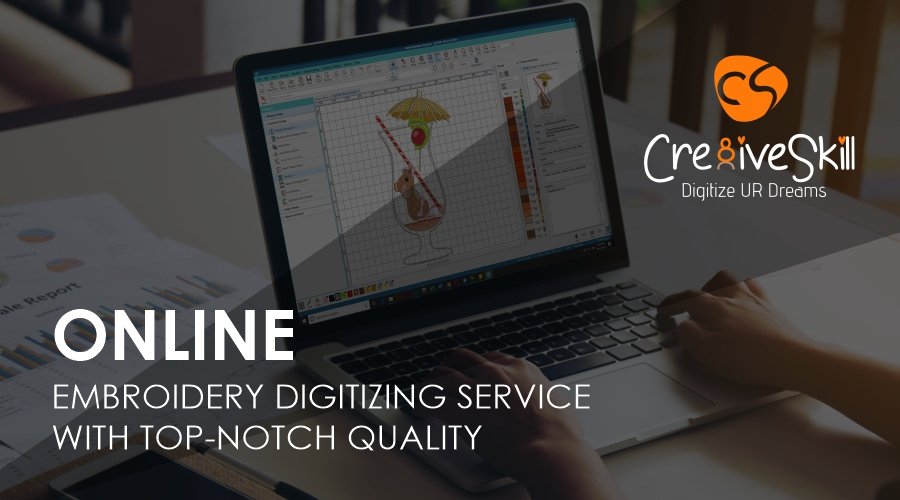
Online Embroidery Digitizing Service with Top-Notch Quality
Online is the way to go for nearly everything today. This is a digital era, and technology now shapes almost every part of how we live and work.
The same shift applies to embroidery digitization. This craft keeps growing deeper into its digital roots each year. The deeper that growth goes, the stronger the impact on quality, timely delivery, precise structure, and overall creative feel.
Businesses and individuals alike now expect the same convenience from embroidery that they get from any other online service. Upload a design, get a quote, and receive a finished file, all without leaving your desk.
Why Has Online Embroidery Digitizing Grown So Fast?
Skilled technologists and digitizers deserve the credit for this shift. They blend colorful threads and patchwork techniques into clean, machine ready files.
Offline orders with custom design patterns still happen, of course. But online orders have taken their own route toward growing demand and a stronger reputation across the industry.
What File Formats Do Professional Digitizers Use?
Digitized artwork usually gets saved in a specific machine ready format. The exact format needed depends on your embroidery machine and your project.
Common formats used in online embroidery digitizing service work include:
- DST, the most widely supported format across commercial machines
- PES, built for Brother and Babylock machines, with built in color data
- EXP, used by Melco and Bernina machines for detailed stitch work
- JEF and VP3, made for Janome and Husqvarna Viking machines
- EMB, a native Wilcom format used mainly for editing designs
A reliable digitizing service provider delivers your design in the format your machine actually needs.
How Does Personalization Shape Custom Embroidery Digitization?
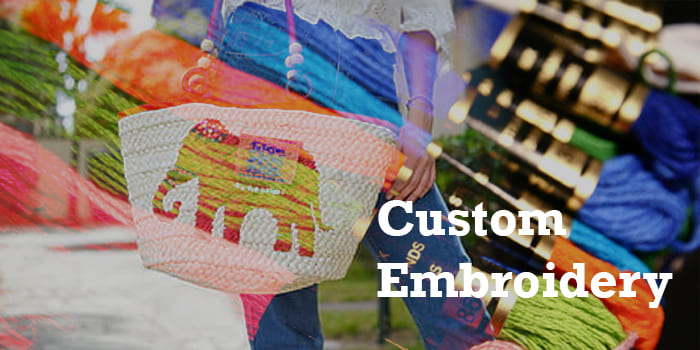
Personalization sits at the center of every online order. Custom embroidery digitization now depends entirely on what each customer wants and needs.
That might mean digitizing tiny lettering for a name tag, or a raised puff embroidery pattern for a cap. It might also mean converting a detailed piece of artwork into a hallmark quality design.
Custom online orders like these stay in steady demand, since no two projects ask for exactly the same thing.
How Do You Choose the Right Embroidery Digitization Service Provider?
Customers usually search for a reputed embroidery digitization service provider known for precision and consistent detail.
These providers rely on their own computer technology and machinery to bring a design to life. This combination helps them deliver premium quality on nearly any pattern.
What Are the Most Common Types of Custom Embroidery?
Custom orders through these service providers typically fall into a few categories:
- Patchwork designs for a layered, textured look
- Monogram design for a personal, classic touch
- Logo digitizing for brands and businesses
- Badge digitizing for uniforms and organizations
- Applique embroidery for a bold, dimensional style
Each of these styles brings its own distinct beauty. Designers can apply them to shirts, t-shirts, flowing fabric, home decor linen, and many other fabric surfaces.
Which Industries Rely on Online Embroidery Digitizing Today?
Corporate branding remains one of the biggest drivers of custom embroidery digitization. Companies order logo digitizing for uniforms, caps, and promotional apparel on a regular basis.
Sports teams and schools rely heavily on badge digitizing for jerseys, jackets, and team gear. Fashion and home decor brands use applique embroidery and monogram design to add a premium, personal touch to their products.
Small businesses and independent shops have also become major users of online embroidery digitizing service platforms. It gives them access to professional quality work without owning expensive machinery themselves.
How Big Is the Embroidery Digitizing Market Right Now?
The broader embroidery equipment market reflects just how much this industry has grown. One 2024 industry report valued the global embroidery equipment market at roughly 495 million dollars, with steady growth projected through 2030.
Rising demand for personalized and customized products drives much of that growth. So does the expansion of e-commerce, which makes it easier for small, home based embroidery businesses to reach customers directly online.
The wider decorated apparel market tells a similar story. Embroidery holds the largest share of that market, valued for its durability and long lasting finish compared with other decoration methods.
How Has Embroidery Digitizing Technology Evolved in Recent Years?
Embroidery digitizing has changed quite a bit since online ordering first took off. AI assisted embroidery digitizing now speeds up much of the early design work. Auto digitizing software can analyze artwork and suggest an initial stitch path within seconds.
Skilled digitizers then refine that draft by hand for clean, accurate results. This blend of automation and human skill helps modern digitizing service providers shorten turnaround time without cutting corners on quality.
Faster delivery matters even more now, since online embroidery digitizing service demand keeps rising worldwide. Vector to embroidery conversion has also become more precise. Better software now preserves fine detail from the original artwork all the way through to the final stitch file.
What Should You Look for in a Quality Online Digitizing Service?
A few signs point to a trustworthy embroidery digitizing company before you place an order.
- Ask about typical embroidery digitizing turnaround time for your design complexity.
- Request a free quote and a sample stitch out before a large production run.
- Confirm which file formats the provider delivers, based on your embroidery machine.
- Check reviews or a portfolio to see real examples of past custom work.
These simple checks help you avoid delays and mismatched files later on.
How Do You Prepare Artwork Before Submitting a Digitizing Order?
A little preparation on your end speeds up the entire digitizing process.
- Send the highest resolution image or vector file you have available.
- Note the exact placement size, such as a small cap logo or a full back design.
- List any specific thread colors you want matched to a brand or theme.
- Mention your embroidery machine and preferred file format up front.
Sharing these details early helps your digitizing service provider avoid guesswork and deliver a file that stitches correctly the first time.
Be it any design or any form of pattern embroidery, quality remains the only true parameter. It defines the reputation of a service provider in the field of custom embroidery digitization.
FAQ
An online embroidery digitizing service converts your logo, artwork, photo, or design into a machine-ready stitch file. You submit the artwork along with details such as size, fabric, machine type, and preferred format.
A professional digitizer then prepares the design so it can be embroidered accurately on the selected product. Learn More.
Common embroidery file formats include DST, PES, EXP, JEF, VP3, and EMB. The correct format depends on the embroidery machine and production workflow.
DST is widely used on commercial machines, while PES, JEF, and VP3 are common with specific machine brands. A professional digitizing service provider should supply the format required by your machine. Learn More.
Look for an embroidery digitizing service provider with a strong portfolio, clear turnaround times, support for multiple machine formats, and experience with different embroidery styles.
It also helps to provide your artwork, required size, fabric type, thread preferences, and machine format upfront so the digitizer can prepare a more production-ready embroidery file. Learn More.
