Table of Contents
Up your Fashion Quotient with Digitized Embroidery
Fashion has always been about expressing personality through color, fabric, texture, and design. From runway collections and designer apparel to everyday clothing and custom merchandise, embroidery continues to give garments a distinctive visual identity.
What began as traditional embroidery created by skilled hands has evolved alongside technology into modern embroidery supported by computerized machines and professionally prepared stitch files. Today, fashion embroidery digitizing connects creative artwork with embroidery production, allowing designers and apparel businesses to transform logos, illustrations, floral patterns, lettering, and decorative artwork into embroidery-ready designs.
For fashion brands, boutiques, garment decorators, and independent designers, this combination of creativity and technology creates more freedom to experiment with embroidered clothing without limiting the original design concept.
What Is Fashion Embroidery Digitizing?
Fashion embroidery digitizing is the process of converting artwork into a digital stitch file that an embroidery machine can interpret. A digitized file does more than reproduce the outline of an image. The digitizer determines how different areas of the artwork should actually be constructed with thread.
Depending on the artwork and garment, this may involve planning:
- Stitch types and stitch direction
- Stitch density
- Underlay
- Embroidery sequencing
- Pull compensation
- Small lettering and fine details
- Color changes
- Appropriate treatment of complex design elements
These decisions help convert visual artwork into practical digitized embroidery designs suitable for production.
How Does Digitized Embroidery Enhance Fashion Apparel?
Embroidery creates texture that printed graphics cannot reproduce in exactly the same way. Thread interacts with fabric, light, color, and garment movement, giving embroidered elements their own character. A simple logo can become a refined chest embroidery.
A large decorative illustration can become a statement element on a jacket. Floral artwork can add visual detail to dresses, shirts, denim, accessories, and other fashion products. This makes digitized embroidery useful for both understated branding and highly decorative fashion pieces.
Designers can apply embroidery to:
- Jackets and coats
- T-shirts and polo shirts
- Dresses and fashion tops
- Hoodies and sweatshirts
- Denim garments
- Caps and headwear
- Bags and accessories
- Uniforms and branded apparel
The final result depends not only on the artwork but also on how effectively it has been prepared for embroidery.
Why Is Floral Embroidery Digitizing Popular in Fashion?
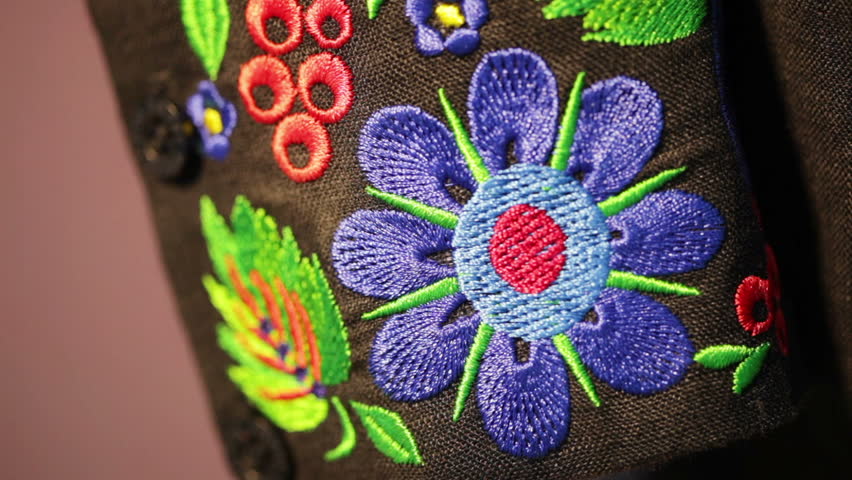
Floral patterns have remained closely connected with fashion because they can be adapted to many different aesthetics. Floral embroidery digitizing can transform flowers, leaves, vines, botanical illustrations, and decorative arrangements into stitch-ready embroidery files.
However, detailed floral artwork cannot simply be traced and sent directly to an embroidery machine. The digitizer needs to consider how petals overlap, how leaves flow, where outlines should appear, and how stitch direction can support the shape of each element.
Proper planning helps retain recognizable details without making the embroidery unnecessarily dense or visually crowded. Floral embroidery can be used for everything from subtle decorative accents to larger statement designs on fashion garments.
How Do Traditional Embroidery and Modern Embroidery Work Together?
Traditional embroidery established many of the visual techniques that still influence fashion today: decorative threadwork, layered textures, ornamental motifs, and detailed surface decoration. Modern embroidery takes those creative principles and combines them with digital production.
Computerized embroidery allows a prepared design to be reproduced more consistently across multiple garments, while digitizing gives designers greater control over how artwork is translated into stitches. The technology has changed the production process, but the creative value of embroidery remains closely connected to the original textile craft.
Can Any Fashion Artwork Be Converted Into Digitized Embroidery?
Many logos, illustrations, patterns, lettering styles, and custom graphics can be prepared for embroidery, but every design needs to be evaluated individually.
A detailed image that looks excellent on a computer screen may contain elements that are too small or complex to reproduce effectively with thread at the requested size. An experienced digitizer may need to simplify certain details, adjust spacing, modify outlines, or reorganize stitch areas while keeping the visual character of the artwork intact.
That is why choosing an embroidery design online service involves more than simply uploading an image and automatically converting it. The final design must be prepared for the actual embroidery application.
What Should Be Considered Before Digitizing a Fashion Design?
Before starting a fashion embroidery project, it helps to provide clear production information.
Important details include:
- Original artwork or the highest-quality image available
- Final embroidery dimensions
- Intended placement on the garment
- Fabric or garment type
- Preferred thread colors
- Required embroidery machine file format
- Any important design elements that must remain prominent
The same artwork may require different digitizing decisions when embroidered on a cap, lightweight shirt, jacket, or another textile surface. Providing this information early helps the digitizer prepare a more suitable production file.
Why Does Professional Digitizing Matter for Fashion Embroidery?
The appearance of embroidered fashion depends heavily on the quality of the digitized file. Poor stitch planning can result in excessive density, unclear details, distorted shapes, unnecessary trims, or embroidery that does not represent the original artwork effectively.
Professional digitizing focuses on both appearance and machine performance. This is particularly important for fashion businesses producing repeated designs across garments, collections, branded merchandise, or customer orders. A well-prepared file creates a stronger foundation for consistent embroidery production.
How Can Cre8iveSkill Support Fashion Embroidery Projects?
Cre8iveSkill provides embroidery digitizing services in USA for businesses and customers who need artwork converted into machine-ready embroidery files. Our team works with logos, decorative artwork, fashion graphics, lettering, and patterns including floral embroidery digitizing projects.
Through custom embroidery digitizing services in USA, artwork can be prepared according to its intended garment, size, design structure, and production requirements rather than being treated as a simple image conversion.
Whether you are preparing a small fashion logo, a decorative floral motif, or a larger custom design, the goal is to translate the artwork into stitches while maintaining its recognizable appearance and suitability for embroidery production.
Digitized embroidery brings together two very different worlds: the creativity of fashion and the precision of computerized production. With professionally prepared artwork, designers and apparel businesses can use thread, texture, color, and pattern to give garments a distinctive embroidered identity.
FAQ
Fashion embroidery digitizing converts fashion artwork, logos, lettering, or decorative patterns into machine-readable stitch files. A digitizer plans stitch types, direction, density, sequencing, underlay, and other production details according to the artwork and intended garment. Learn More.
Yes. Floral embroidery digitizing can convert flowers, leaves, botanical illustrations, and decorative patterns into stitch-ready embroidery files. The artwork may need adjustments to stitch direction, detail, density, and sequencing so the floral elements remain clear when embroidered.
Provide your artwork, required embroidery size, garment or fabric type, placement, preferred colors, and required machine file format. These details help the digitizer prepare digitized embroidery designs that are better suited to the intended fashion application. Learn More.
