Table of Contents
Digitisation vs Digitalisation
Digitisation and digitalisation sound almost identical, but they describe two different things. Digitisation converts analog material into digital format. Digitalisation uses digital technology to change how a business runs and creates value.
Many people use these words interchangeably. That mix up causes real confusion in business conversations, especially around digital transformation and embroidery digitizing services. This post breaks down both terms so you can use them with confidence.
What Is Digitisation?
Digitisation means converting analog source material into a numerical format. A scanned photo, a typed up handwritten note, and a digitized embroidery file are all examples of digitisation in action.
Most people know digitization as "turning information into digital format." That definition is accurate, but it only tells part of the story. Digitization also covers audio and image files, not just documents.
In short, digitisation is analog to digital conversion. It is the foundation that digitalisation builds on.
What Is Digitalisation?
The Gartner glossary defines digitalisation as the use of digital technologies to change a business model and create new revenue and value producing opportunities. It is the process of moving toward a digital business.
Where digitisation converts a single file, digitalisation transforms an entire workflow. It uses the digital assets that digitisation creates and puts them to work across a business.
Why Does Embroidery Digitization Matter?
Before adopting any process, it helps to ask why it matters. Embroidery digitization solves several real problems for apparel brands and
manufacturers.
It clears the clutter. Every brand, large or small, needs regular digital work. Hiring separate graphic designers, digitizers, and quality checkers adds cost and complexity. Outsourced digitizing agencies handle this workload for clients around the globe, removing the need for an in house team.
It saves time. Vector art graphics, digitized logos, and embroidery files can often be completed within a 12 hour turnaround time. Most embroidery digitizing services now operate online, so a brand can upload a JPEG file and get a finished, digitized embroidery file back without leaving the office.
It keeps designs secure. Reliable digitizing companies keep client files confidential and do not share design information. Firms like Cre8iveSkill, with 20+ years of experience in digitization, understand customer urgency, security needs, and the demand for high quality online digitization. We provide embroidery digitization on demand to meet those needs directly.
It supports the environment. Many documents no longer need a physical copy. Switching to digitization cuts paper waste and reduces the tree cutting that drives deforestation and disrupts local ecosystems.
How Has Digitization Evolved Lately?
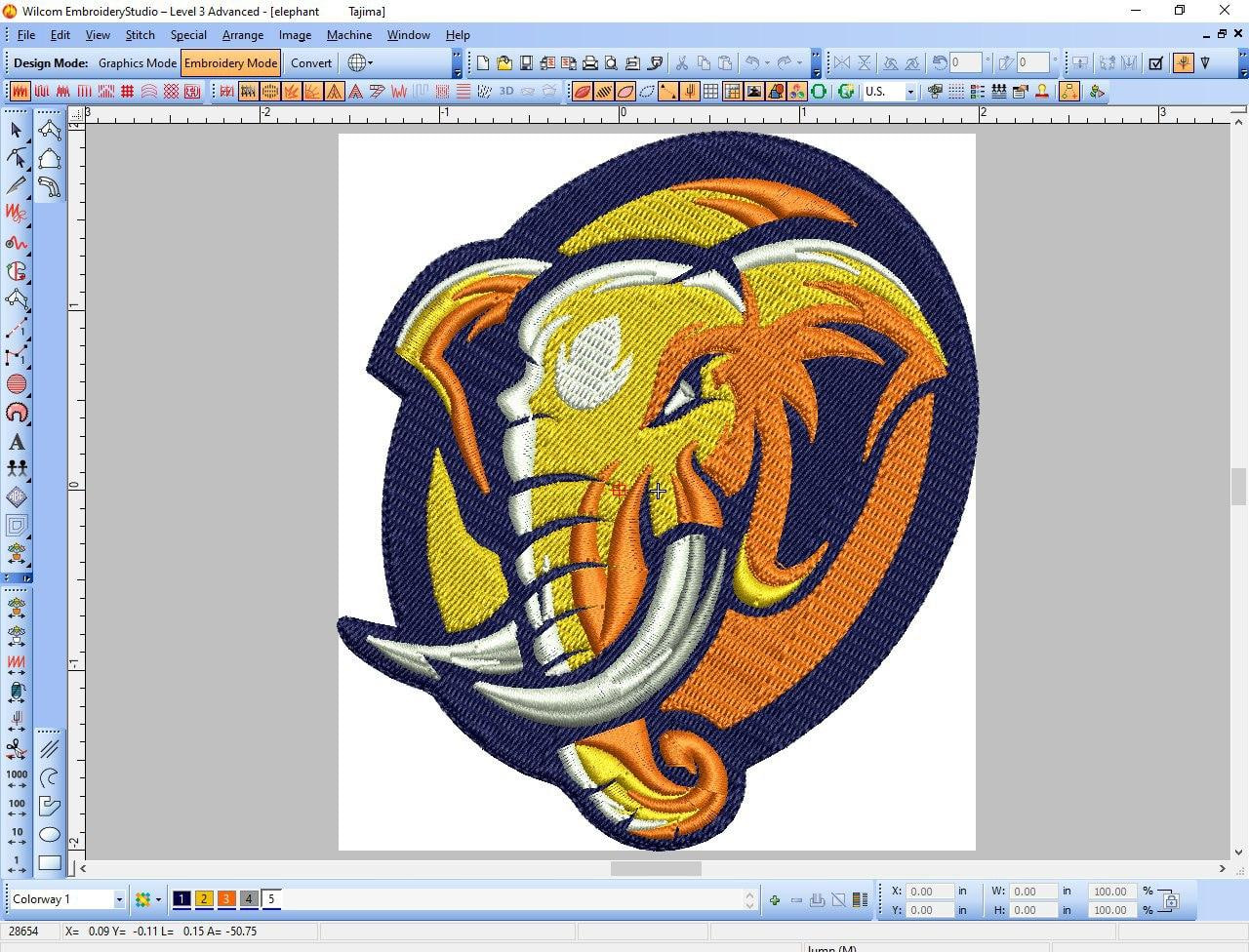
The core difference between digitisation and digitalisation has not changed since this post first published. What has changed is the technology layered on top of it. AI assisted digitizing tools now help catch stitch errors before a file goes to production.
Cloud based digitizing platforms let brands upload artwork and receive digitized embroidery files from anywhere, cutting turnaround time even further. More apparel brands are also treating digitalisation as a full digital transformation strategy, not just a software upgrade, and are choosing to outsource embroidery digitizing to specialized agencies rather than build in house teams.
These shifts make the distinction between the two terms more important, not less. Knowing whether you need a digitizing service or a full digital business model change helps you invest in the right solution.
FAQ
Digitisation converts analog material into digital format, while digitalisation uses digital technology to transform business models and create new value. Learn More.
Embroidery digitizing is a form of digitisation. It converts artwork into a digital stitch file that embroidery machines can read.
Most embroidery digitizing services, including Cre8iveSkills, complete standard files within a 12 hour turnaround time. Learn More.
