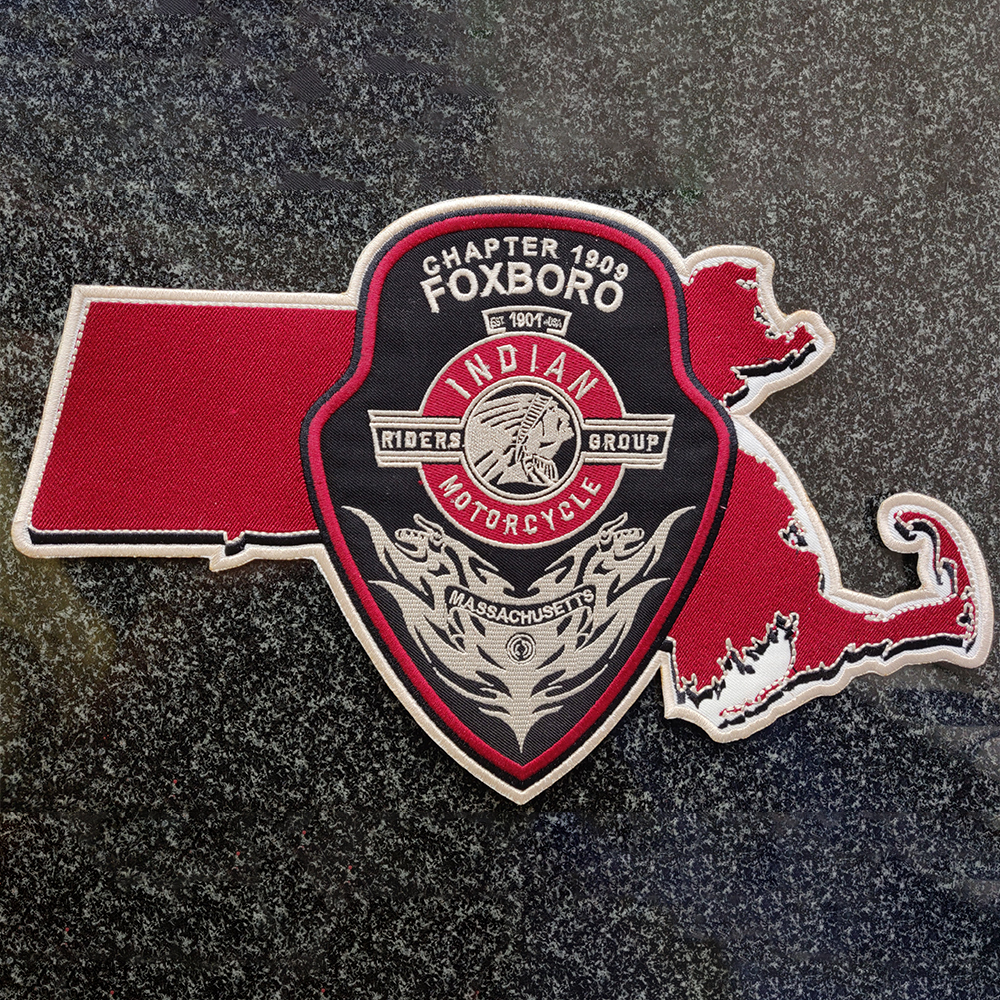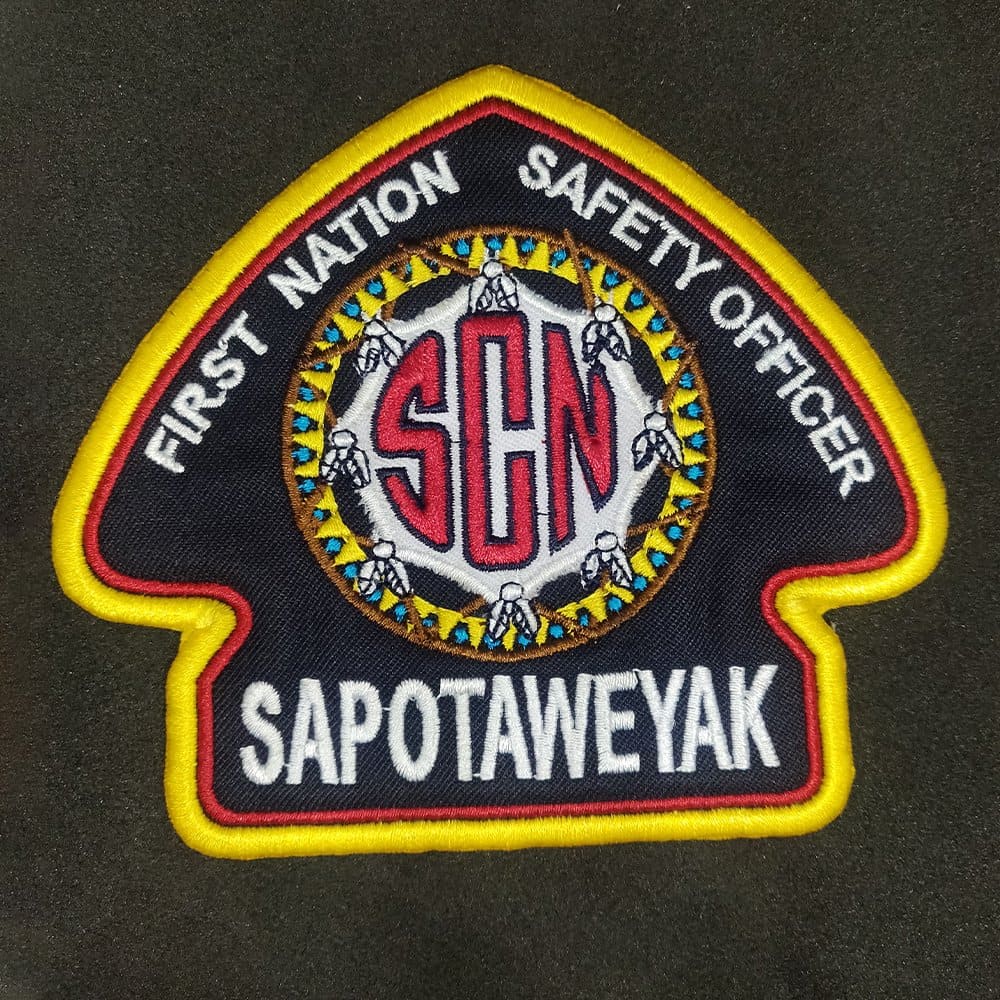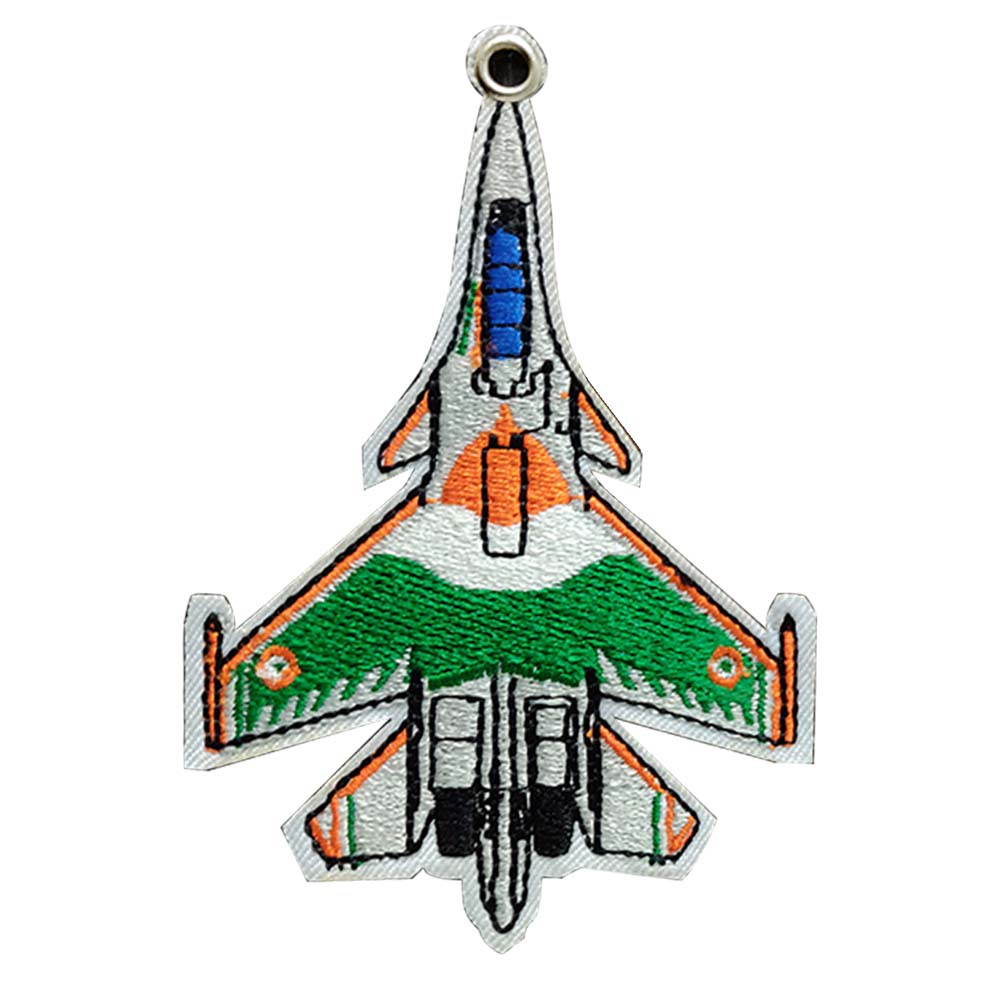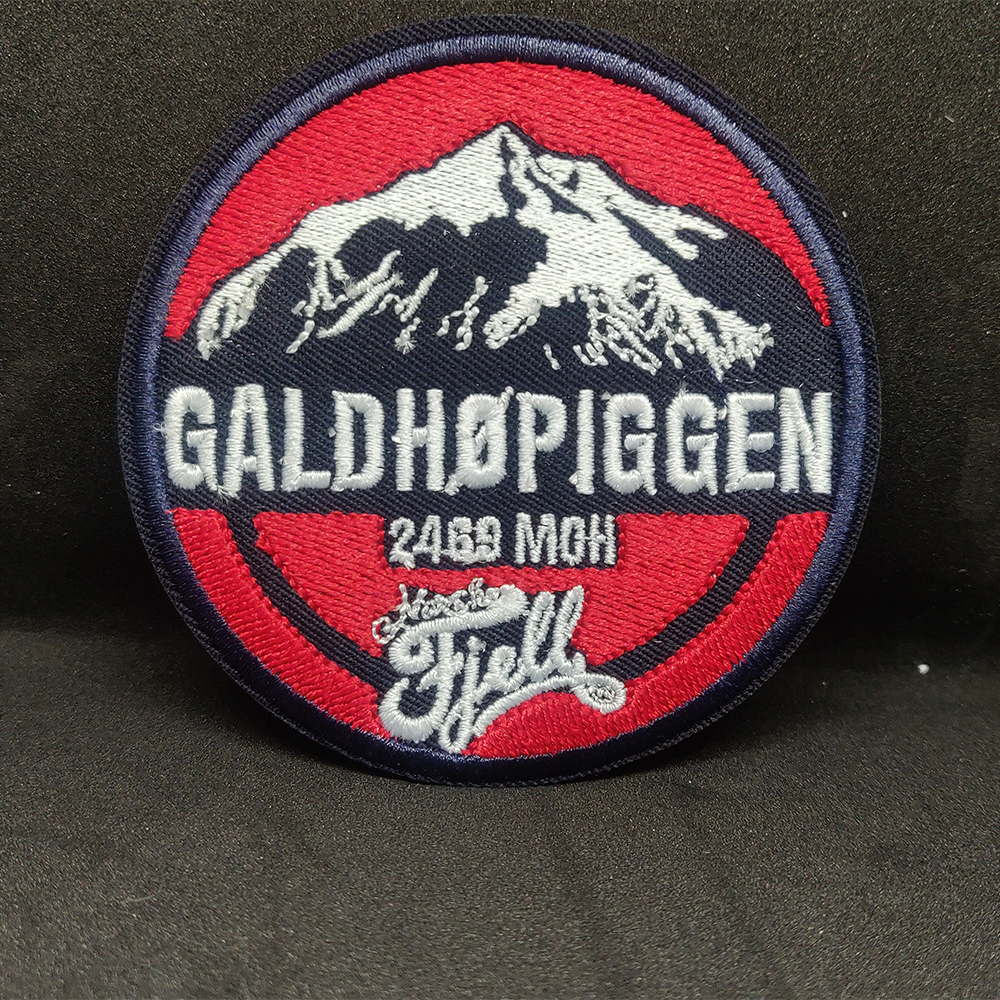
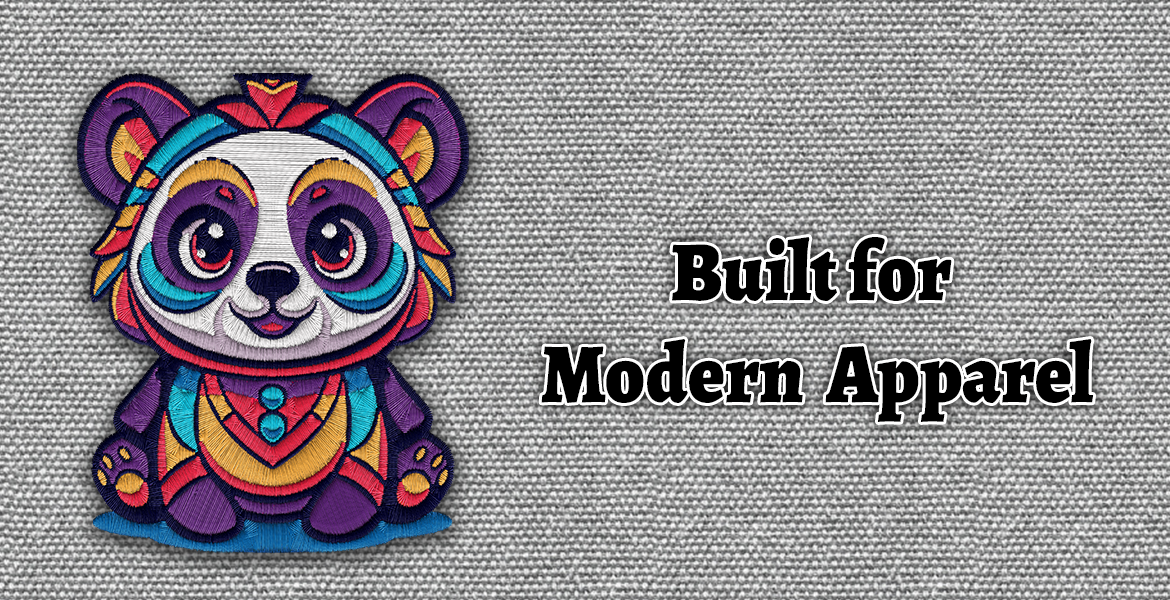
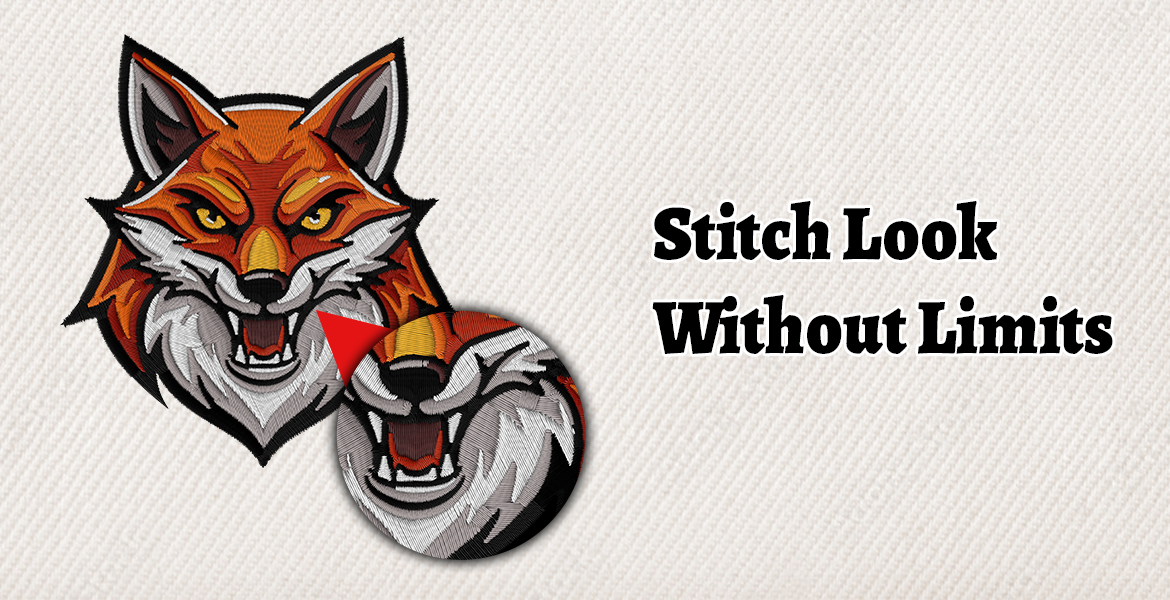
Faux Embroidery for DTF Printing is a digital technique that creates a realistic stitched look using high-resolution artwork instead of actual thread. This method is widely used in modern apparel printing where brands want the premium feel of embroidery without the limitations of needlework.
With Faux Embroidery DTF Printing, detailed stitch effects are created through shading, highlights, and texture layering. The final output is printed using Direct to Film technology and applied using a heat press, giving garments a raised, thread-like appearance.
This approach works especially well for T shirt printing, hoodies, and bulk production where consistency and speed matter. Unlike traditional embroidery, there are no restrictions on stitch count, fabric thickness, or design complexity.
Faux Embroidery Effect is ideal for brands looking to maintain a high-end visual identity while keeping production flexible and cost-efficient.
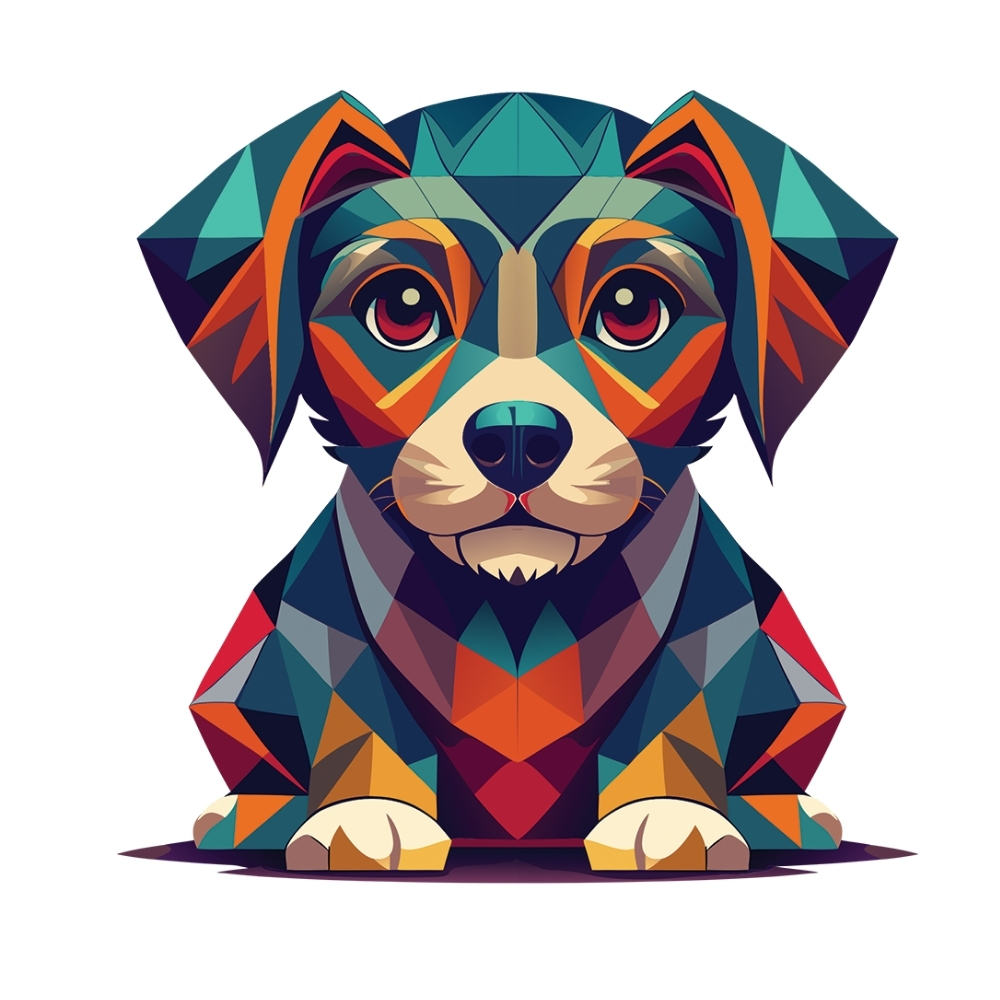
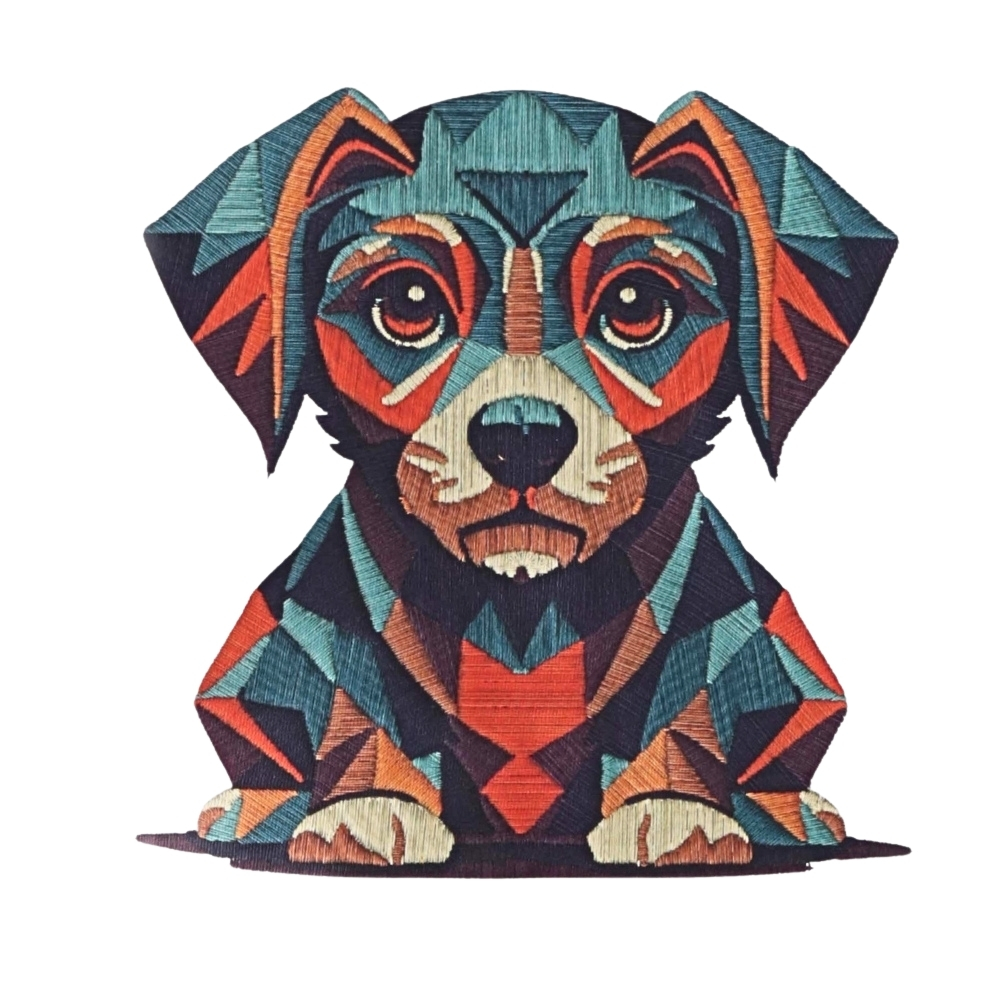
What is Faux Embroidery? It is a digital design method that simulates the appearance of real embroidery using graphic techniques. Instead of stitching threads into fabric, the design is created as a detailed image that mimics thread patterns. Faux Embroidery PNG files are commonly used in this process because they support high resolution and transparent backgrounds. Designers build the effect by carefully placing shadows, gradients, and stitch-like lines to replicate depth and texture. The process starts with artwork conversion, followed by digital detailing to create the Faux Embroidery Effect. Once finalized, the design is exported into print-ready formats and used in DTF printing, Heat Press or other digital printing methods.
Faux Embroidery Simulation allows for precise control over every detail, making it possible to produce consistent results across multiple garments without variation.
Faux Embroidery vs Real Embroidery is a common comparison for brands deciding between traditional and digital methods.
Real embroidery uses thread stitched into fabric, which creates a physical texture and long-lasting durability. However, it comes with limitations such as higher costs, longer production time, and restrictions in complex designs.
Faux Embroidery, on the other hand, delivers a similar visual effect using printed graphics. It removes stitch limitations and allows for intricate detailing, color gradients, and faster turnaround.
For T shirt printing and large-scale production, Faux Embroidery is often more practical. It provides design flexibility and consistency while maintaining the appearance of stitched artwork. DTF Embroidery Effect, although not actual embroidery, gives a comparable premium look that works well for modern apparel needs.
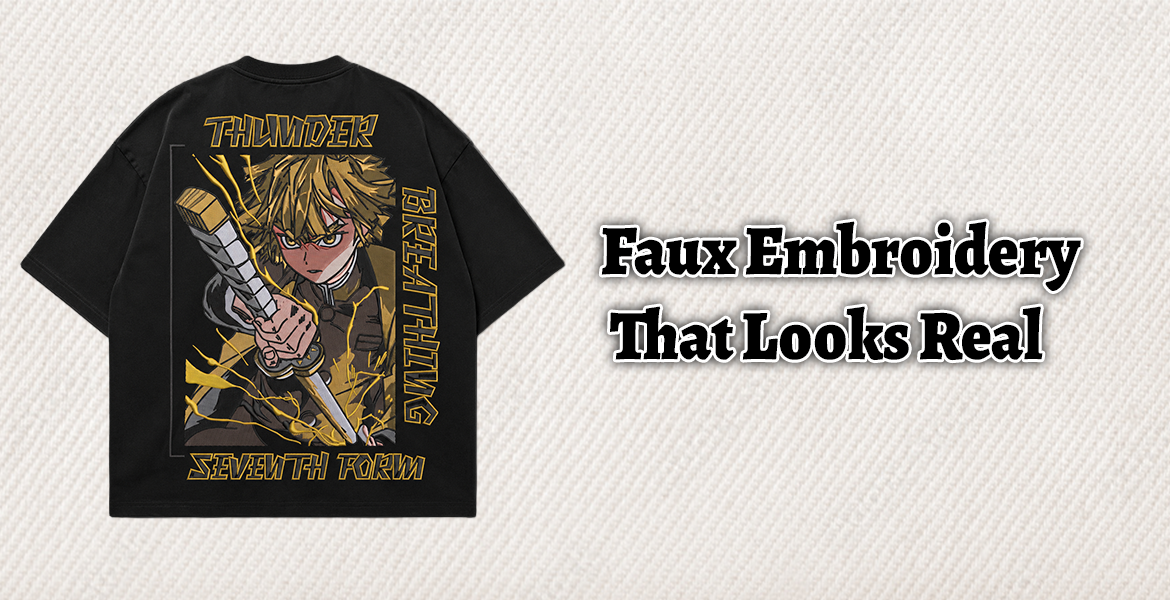
.png "Turn Simple Artwork Into Premium Visuals - Cre8iveskill")
We create faux embroidery designs that closely match real stitch texture using advanced shading and detailing for a premium printed look.
We focus on precision in every faux embroidery design. From stitch-like patterns to shading, each element is carefully crafted to maintain balance and visual consistency.
Our team of experienced designers understands the technical aspects of faux embroidery. Every file is built with attention to detail to ensure high-quality output for print applications.
We combine efficient workflows with skilled execution to deliver faux embroidery files within quick timelines, making it suitable for bulk and urgent production needs.
Each faux embroidery file goes through a structured process to maintain uniform quality. This ensures reliable results across different garments and production batches.
Every design is carefully checked before delivery to ensure it is print-ready, accurate, and compatible with DTF printing requirements.
Faux embroidery delivers a realistic stitched look while reducing production time and cost. It allows more design freedom and consistent output for bulk orders. With Cre8iveSkill, you get high-quality faux embroidery that maintains a premium finish without the constraints of traditional stitching.
Real embroidery uses threads and machines, while faux embroidery is printed. It looks similar but is faster, lighter, and more cost-effective. Learn more about our Faux Embroidery Service
Faux embroidery designs can be applied across a wide range of apparel and promotional products, offering a stitched look without the need for actual thread.
It works well on:
These designs are commonly used for brand logos, merchandise collections, event apparel, and marketing campaigns, where a premium embroidered appearance is needed with faster production and flexibility.
Learn More:Faux Embroidery Service
Yes, faux embroidery is highly suitable for bulk production. It reduces production time and overall cost compared to traditional embroidery, while still maintaining a premium stitched look. At Cre8iveSkill, we ensure consistent quality and fast delivery, making it ideal for large-scale apparel and promotional orders.
Yes for DTF — and Cre8iveSkill delivers exactly that.
For DTF Printing:
Yes, a transparent background (PNG with alpha channel) is essential. DTF printing transfers only the printed ink onto the garment, so any white or solid background in the file will print as a visible block on the fabric. A transparent PNG ensures only the faux embroidery design itself transfers — giving a clean, professional result on any garment color.
Cre8iveSkill delivers faux embroidery files as high-resolution PNG with transparent backgrounds, fully ready for DTF workflow.
For Screen Printing:
Screen printing works differently — it uses spot colors separated onto individual screens. A transparent background PNG is still the best starting point, but your screen printer will typically separate the design into color layers before printing. Faux embroidery designs with complex shading and gradients can be more challenging for screen printing due to the number of colors involved. DTF is generally the better-suited method for faux embroidery.
For Sublimation Printing:
Sublimation requires a white or light-colored polyester fabric and uses a solid white background in the file (since sublimation ink is transparent by nature). If youre printing via sublimation, your faux embroidery PNG will need a white background fill — a quick adjustment from the standard transparent version.