Table of Contents
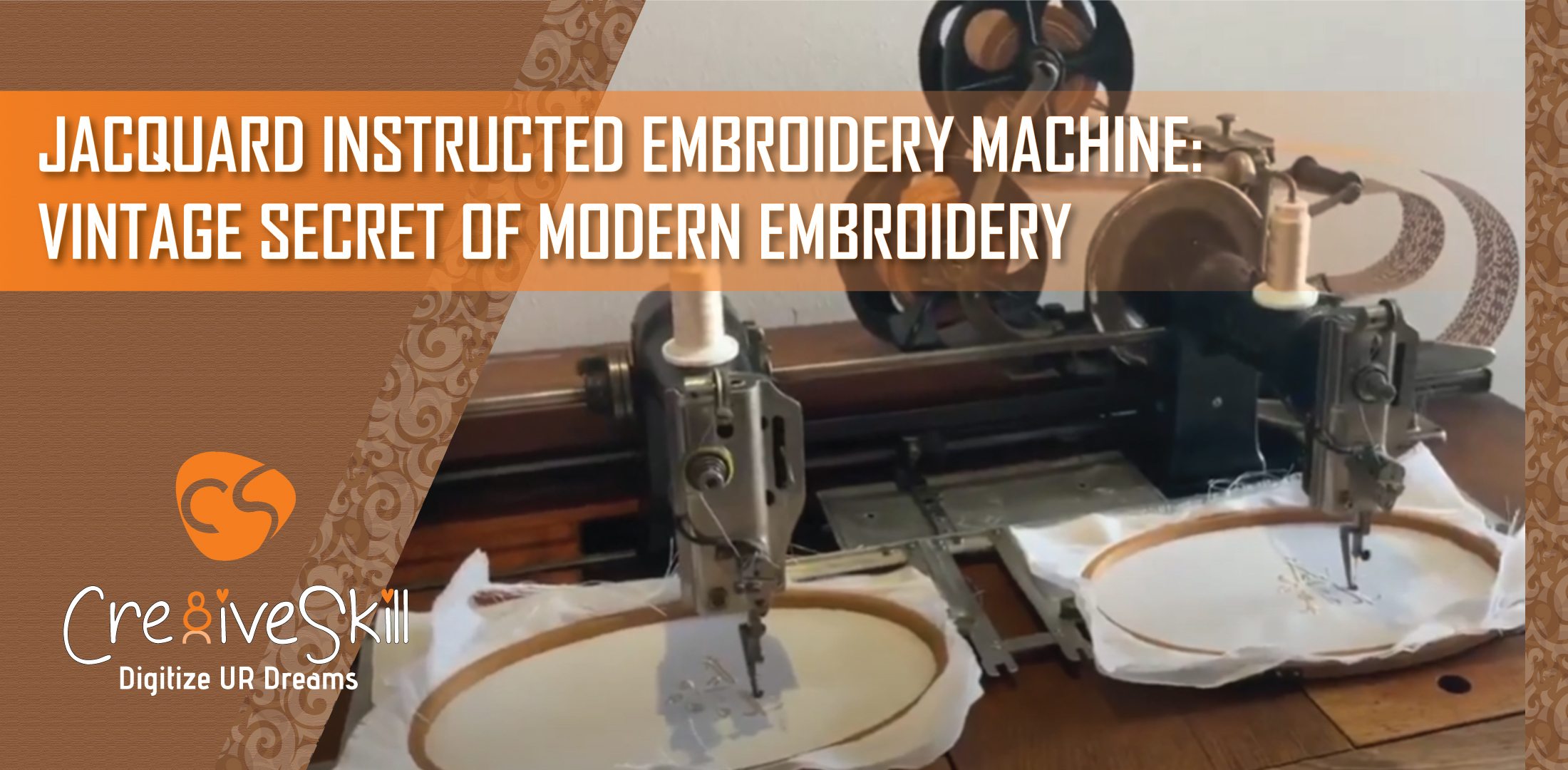
Jacquard Instructed Embroidery Machine: Vintage Secret Of Modern Embroidery
Embroidery has been a part of textile decoration for centuries. From traditional hand embroidery to advanced computerized machines, the embroidery industry has continued to develop with new techniques and technologies. One of the important innovations that influenced modern embroidery was the Jacquard system. The Jacquard embroidery machine introduced a new way to control patterns and designs through programmed instructions. This concept helped shape the future of automated textile production.
Today, embroidery machines use digital technology, but many ideas behind modern systems connect back to early mechanical innovations like Jacquard technology. Understanding this history helps us see how embroidery moved from manual work to precise machine-based production.
What Is a Jacquard Embroidery Machine?
A Jacquard embroidery machine is a specialized textile machine that creates decorative patterns by following programmed instructions. Instead of depending completely on manual stitching, this system uses controlled movements to reproduce designs on fabric.The main purpose of the Jacquard system was to make complex textile patterns easier to produce. It allowed manufacturers to create detailed designs with better consistency and reduced the time required compared to traditional methods. The technology behind Jacquard machines introduced the concept of pattern automation. This became an important step toward the computerized embroidery machines used today.
.jpg)
History of the Jacquard System in Embroidery
The Jacquard system has an important place in textile history. It was developed to improve the process of creating detailed woven patterns. The system used a series of instructions that controlled how designs were produced. One of the most notable features of early Jacquard technology was the use of punched cards. These cards stored pattern information and guided the machine during operation. This approach changed textile manufacturing because designs could be repeated accurately without creating every pattern manually. The idea of using coded instructions to control a machine later influenced many areas of technology, including computer programming.
In embroidery, this concept helped create the foundation for automated design production. Modern embroidery machines still follow a similar idea by using digital files that contain instructions for creating stitches.
How Does a Jacquard Embroidery Machine Work?
The working process of a Jacquard embroidery machine involves several important steps.
Design Creation
The process begins with creating a pattern or artwork. The design needs to be prepared properly so the machine can understand the required movements. In older systems, pattern information was stored through mechanical methods. Today, designs are prepared digitally using specialized embroidery software.
Pattern Control
The machine follows the instructions provided by the programmed pattern. These instructions guide the movement of different parts of the machine to create the design. This controlled process allows the machine to reproduce the same pattern multiple times with consistent quality.
Stitch Formation
The machine creates the final design by placing threads according to the programmed instructions. The placement of each stitch affects the appearance, texture, and quality of the embroidery. Proper planning of stitch direction, density, and design details is important for achieving a clean result.
Jacquard Embroidery vs Modern Computerized Embroidery
Jacquard embroidery systems and modern computerized embroidery machines share a similar goal: creating detailed designs automatically. However, the technology used today is much more advanced. Traditional Jacquard systems depended on mechanical instructions and physical pattern controls. Modern machines use digital embroidery files that contain complete stitch information.
Some major differences include:
Jacquard Embroidery:
- Used mechanical pattern control methods
- Required physical pattern instructions
- Had limitations in design adjustments
- Was mainly connected with early textile automation
Modern Computerized Embroidery:
- Uses digital embroidery files
- Allows detailed design editing
- Supports multiple stitch types
- Provides better control over colors and details
- Works with advanced embroidery machines
- Modern embroidery technology provides more flexibility, but the basic idea of programmed pattern creation remains connected to early systems.
The Role of Embroidery Digitizing in Modern Machines
Today, embroidery digitizing plays an important role in converting artwork into machine-ready designs. An embroidery digitizer transforms an image or logo into a format that embroidery machines can read. The digitized file includes information about stitch placement, stitch type, thread colors, and design structure.
A professional digitized file helps achieve:
- Clean stitch output
- Proper thread usage
- Better design accuracy
- Suitable results on different fabrics
- Consistent production quality
- Unlike older mechanical systems, modern digitizing allows designers to adjust every detail of a design before production begins.
Why Jacquard Technology Is Still Important Today
Jacquard technology remains important because it introduced a new approach to textile production. It showed how machines could follow instructions to create detailed patterns automatically. This concept influenced the development of many modern technologies used in embroidery and manufacturing. The connection between Jacquard systems and computerized embroidery shows how the industry has continued to improve. Modern embroidery machines may use advanced software, but they still depend on the same basic principle of converting designs into instructions.
Future of Embroidery Technology
The embroidery industry continues to develop with improvements in software, machines, and design methods. Modern embroidery businesses rely on accurate digitizing, advanced machinery, and creative design techniques to produce high-quality results. As technology improves, embroidery production becomes more efficient while allowing designers to create more detailed and creative patterns.
Conclusion
The Jacquard embroidery machine was an important innovation that changed the way textile patterns were created. By introducing programmed pattern control, it helped move embroidery from manual methods toward automated production. Modern computerized embroidery machines and digitizing software continue this idea by converting artwork into precise machine instructions. The history of Jacquard technology shows how early textile innovations helped build the foundation for today’s embroidery industry.
At Cre8iveSkill, we combine modern embroidery digitizing techniques with creative artwork solutions to help businesses create production-ready designs. Our team provides professional embroidery digitizing, vector artwork, patch artwork, and other embroidery solutions to support brands, maufacturers, and apparel businesses with high-quality results.
